


Bag-in-Box vs HDPE Jerry Cans: Which Packaging Solution Is Best for Liquid Products?
As manufacturers seek to reduce packaging waste, improve logistics efficiency and meet sustainability targets, many are evaluating alternatives to traditional HDPE jerry cans.
Bag-in-Box (BIB) packaging has become an increasingly popular solution across food, beverage, chemical and industrial sectors, but how does it compare to HDPE jerry cans in terms of material usage, transport efficiency, product protection and overall performance?
This guide compares both packaging formats to help you determine the benefits of each.
What is an HDPE Jerry Can?
A jerry can is a rigid container manufactured from High-Density Polyethylene (HDPE). They are commonly used for storing and transporting liquids including:
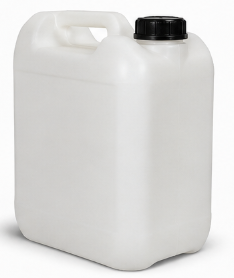
Typical sizes range from 5 litres to 25 litres, with 20-litre jerry cans being among the most widely used formats.
- Cleaning chemicals
- Food ingredients
- Oils and lubricants
- Agricultural products
- Industrial liquids
What is a Bag-in-Box System?
A Bag-in-Box system consists of:
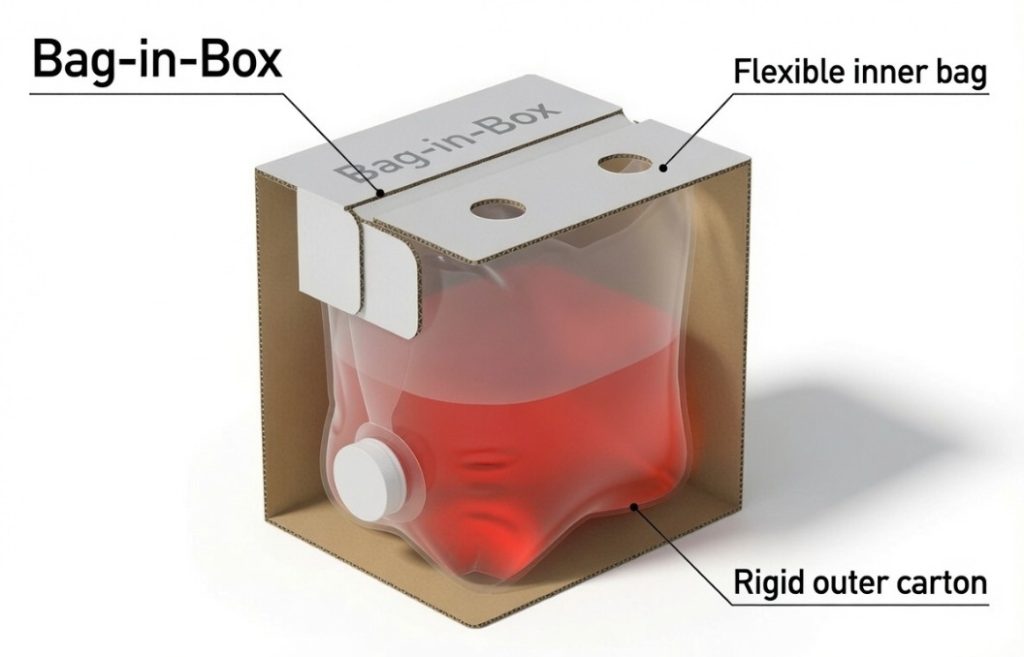
A flexible multilayer barrier bag
A dispensing fitment or tap
A corrugated outer carton
The liquid is stored within the bag, which collapses as product is dispensed, helping to minimise air ingress and product waste.
Bag-in-Box solutions are widely used for:
- Dairy products
- Liquid egg
- Post-mix syrups
- Wine and beverages
- Cleaning chemicals
- Industrial ingredients
Material Usage Comparison
One of the most significant differences between the two formats is the amount of plastic required.
The figures below represent typical packaging weights and may vary depending on design specifications.
| Capacity | Typical HDPE Jerry Can Weight | Typical Bag-in-Box Bag Weight | Plastic Reduction |
|---|---|---|---|
| 5L | 120-180g | 20-40g | Up to 80% |
| 10L | 250-350g | 40-60g | Up to 85% |
| 20L | 700-900g | 80-120g | Up to 90% |
| 25L | 900-1,200g | 100-140g | Up to 90% |
Example: 20-Litre Format
For every 1,000 units filled:
HDPE Jerry Cans
- Approximate plastic consumption: 700-900 kg
Bag-in-Box Liners
- Approximate plastic consumption: 80-120 kg
Potential plastic saving:
580-820 kg per 1,000
This reduction can have a significant impact on sustainability objectives and packaging costs.
Warehouse Space Requirements
Rigid containers occupy the same volume whether empty or full.
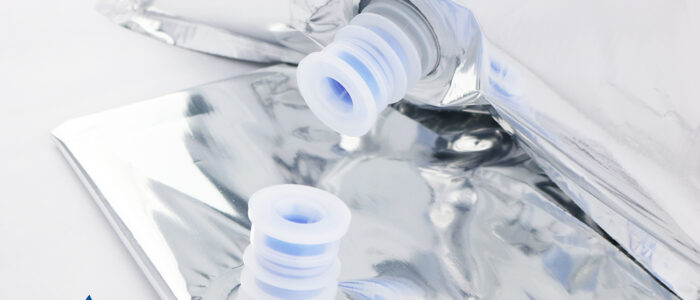
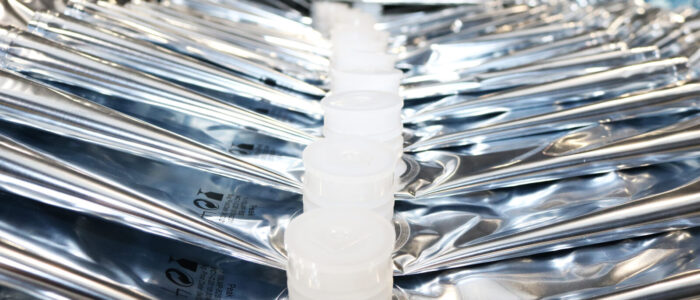
Bag-in-Box liners are supplied flat-packed, either webbed or singles dependant on the filling method allowing thousands of units to be stored in a fraction of the space required for empty jerry cans.
Typical Example
Approximately 1,000 empty 20L jerry cans may require up to 8-12 pallets spaces – The equivalent number of Bag-in-Box liners can often be stored on a single pallet.
Benefits include:
- Reduced warehouse space
- Lower storage costs
- Improved inventory management
- Greater production flexibility
Transport Efficiency
Reducing packaging weight can also improve transport efficiency.
HDPE Jerry Cans
- Heavier packaging weight
- Higher transport emissions per litre of product
- More vehicle space required for empty packaging deliveries
Bag-in-Box
- Lightweight packaging
- Reduced inbound freight costs
- Lower carbon emissions
- Improved pallet utilisation
For high-volume operations, these efficiencies can generate meaningful cost savings throughout the supply chain.
Share this



Start an Enquiry
Fill out the details below to start an enquiry:
 Peak Packaging Germany